
Project Info
Project Description
Shizu Kaneuji katana
- Status: Sold
- Kanteisho: Juyo Token
Jūyō-Tōken at 63rd Jūyō Shinsa
Shizu Saburō Kaneuji
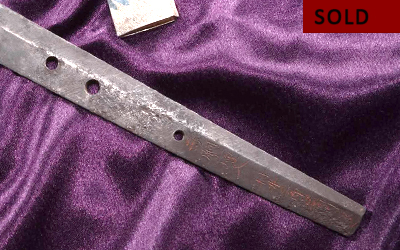
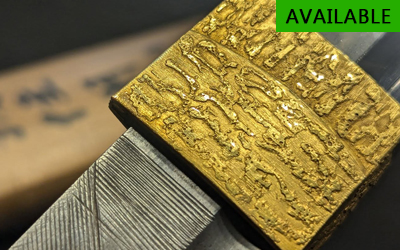
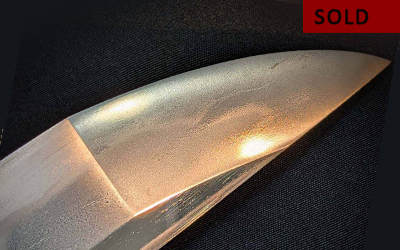
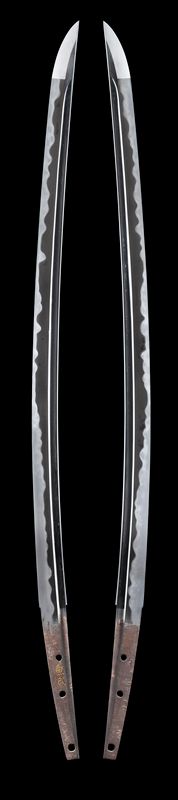
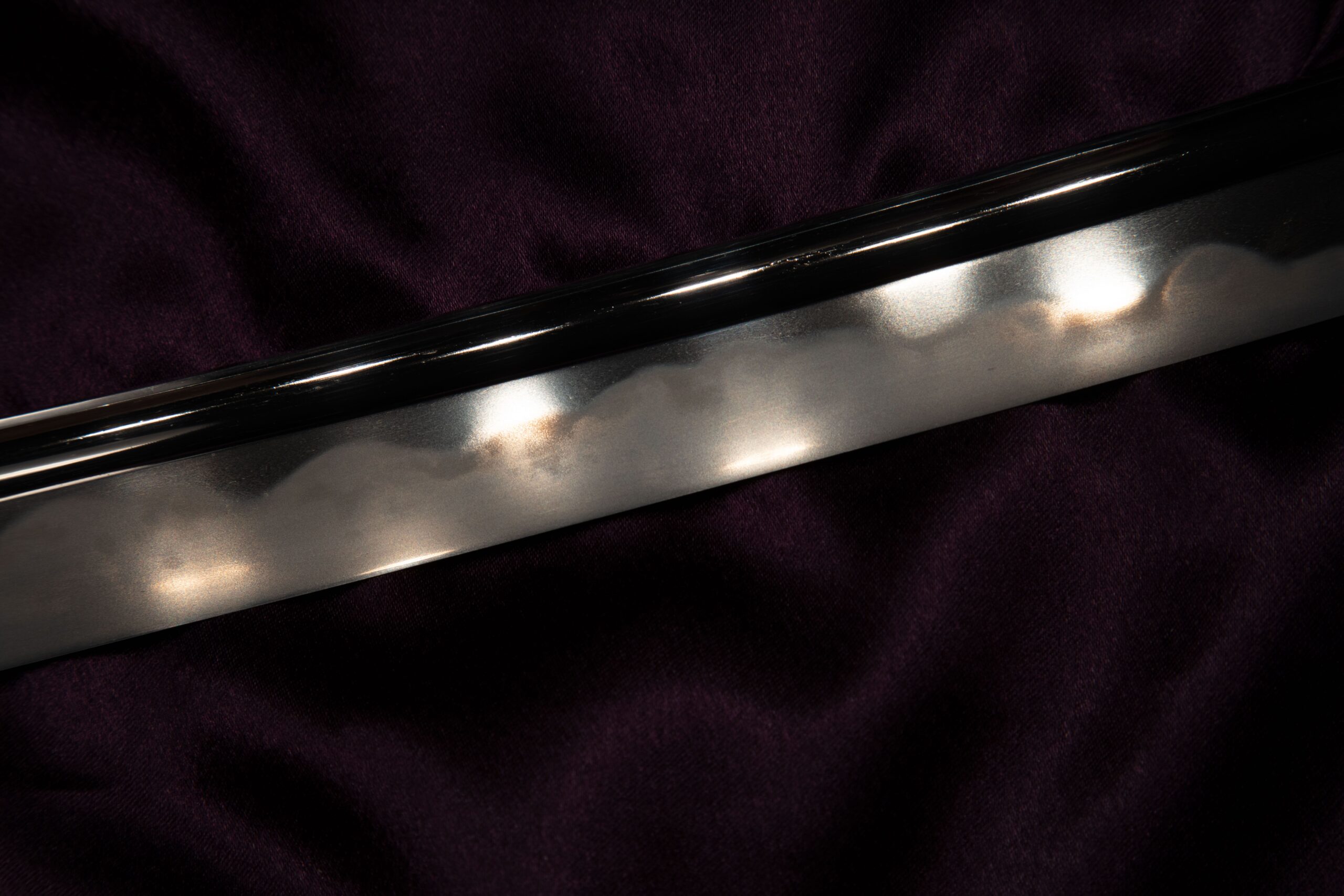
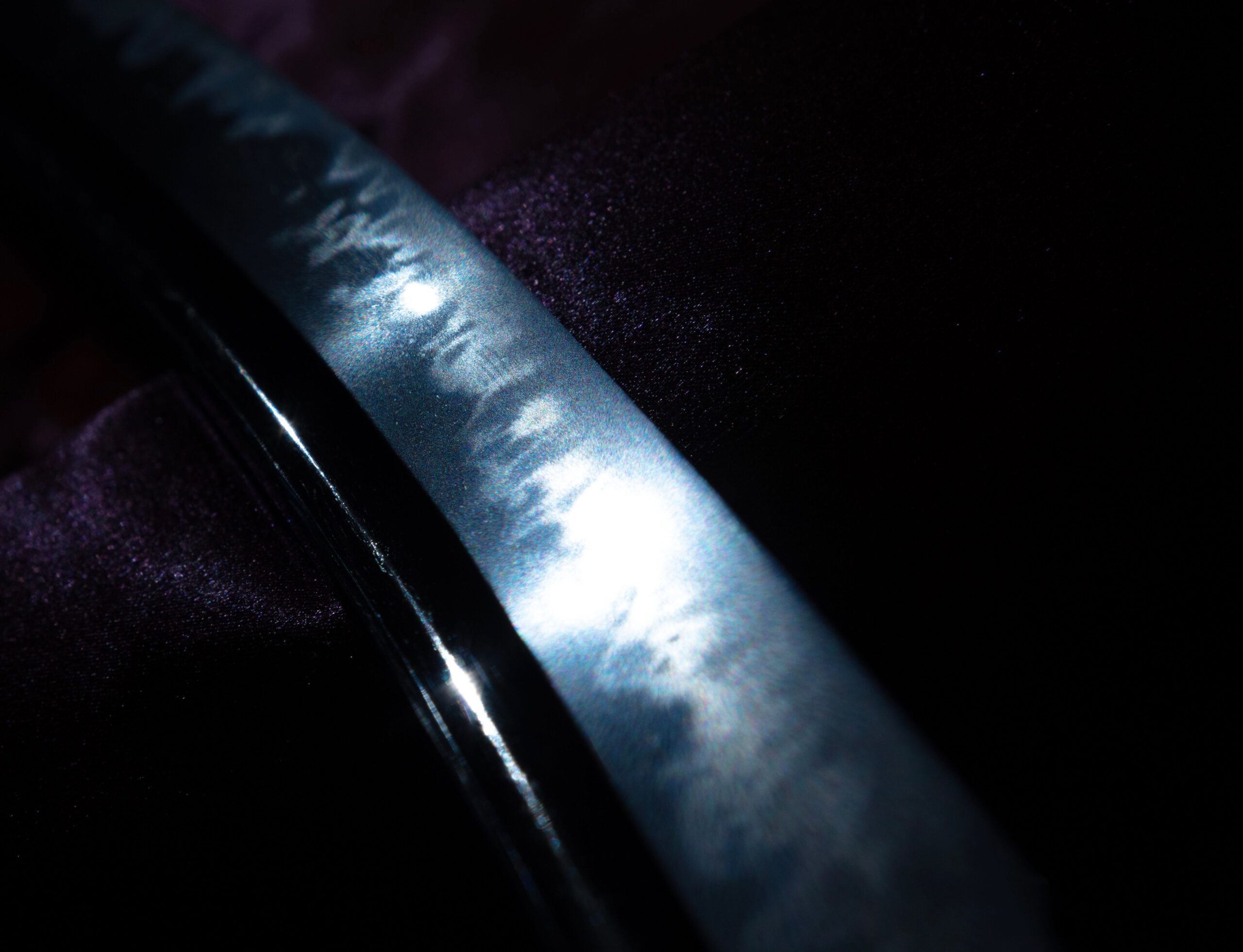
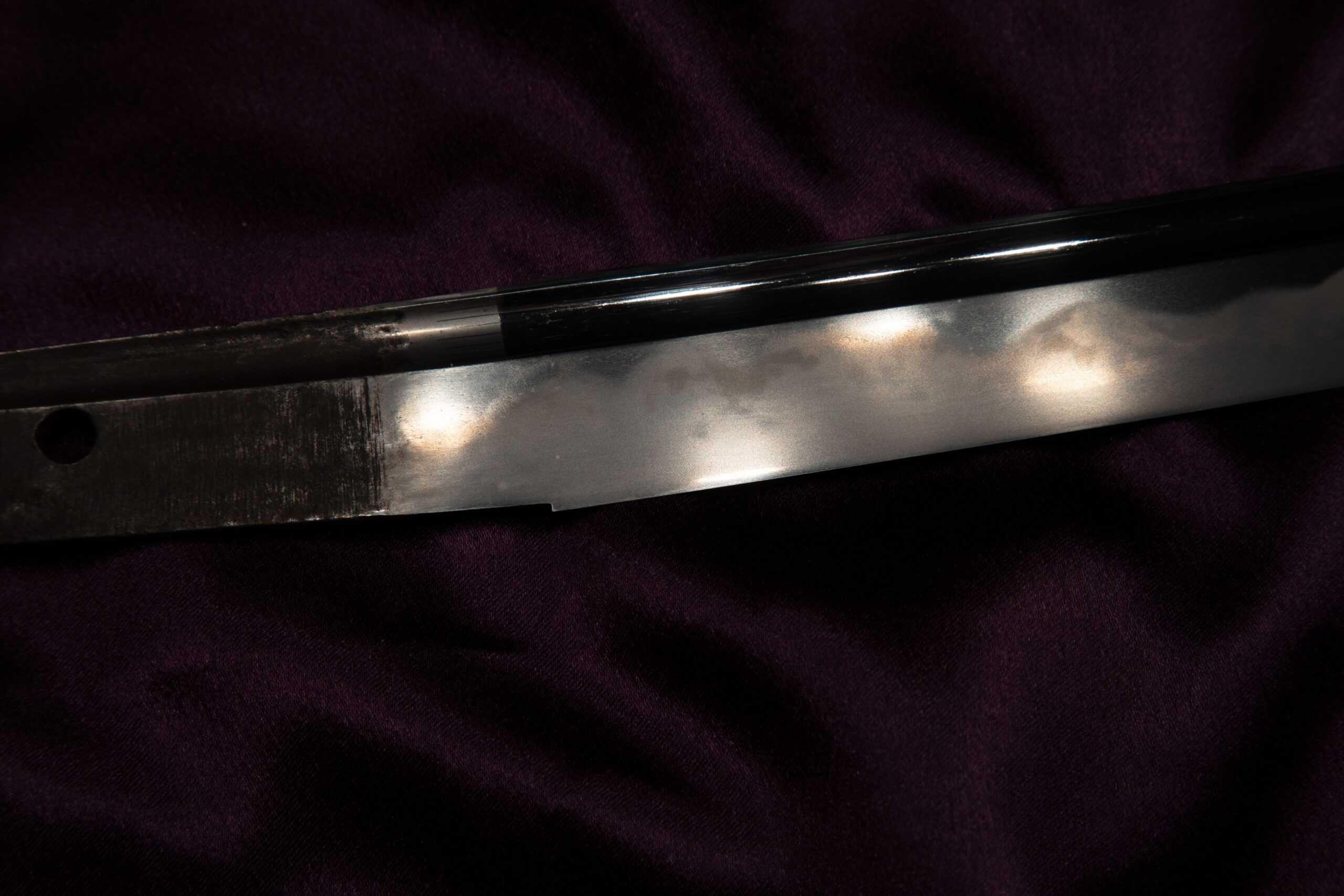
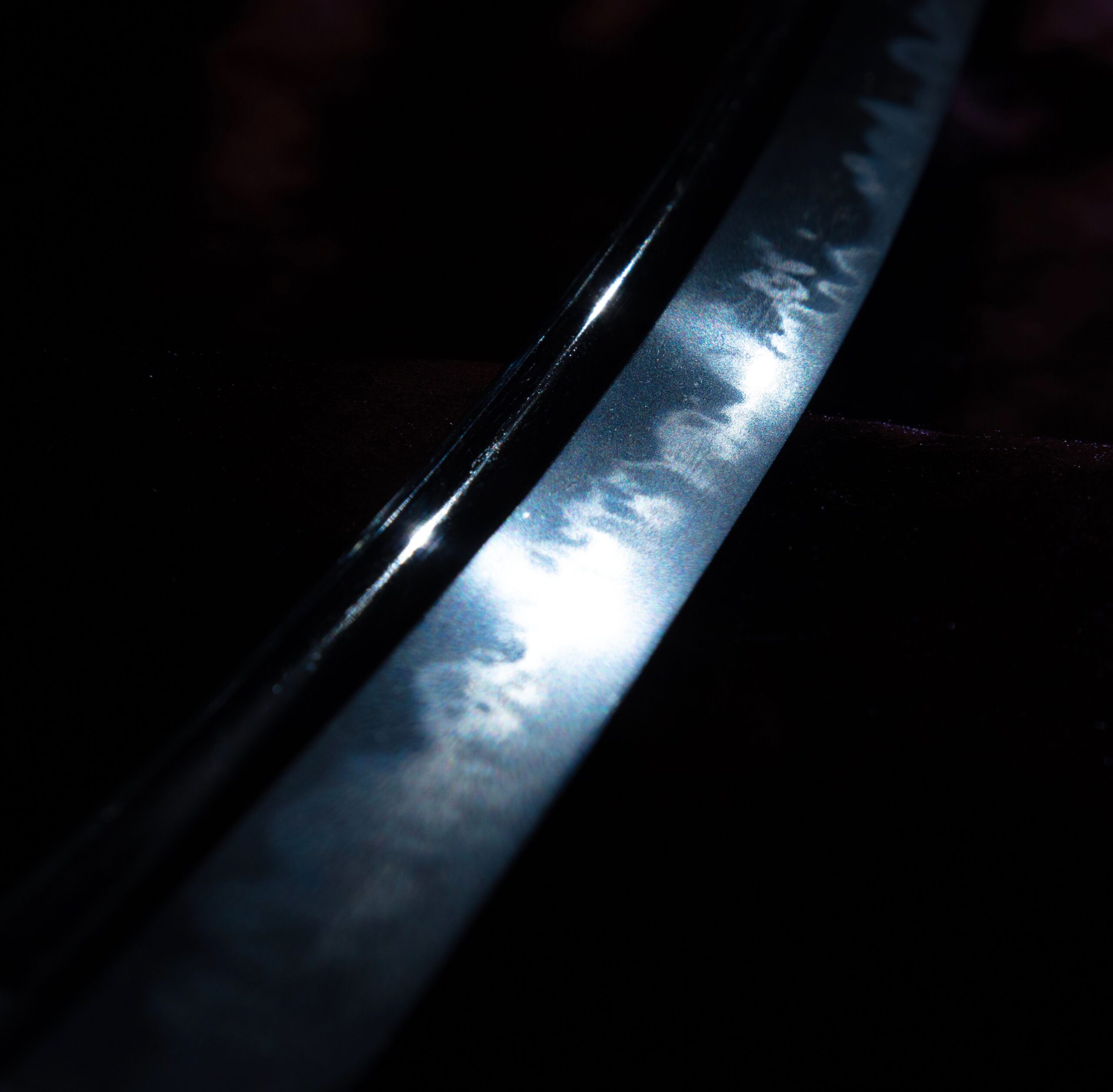
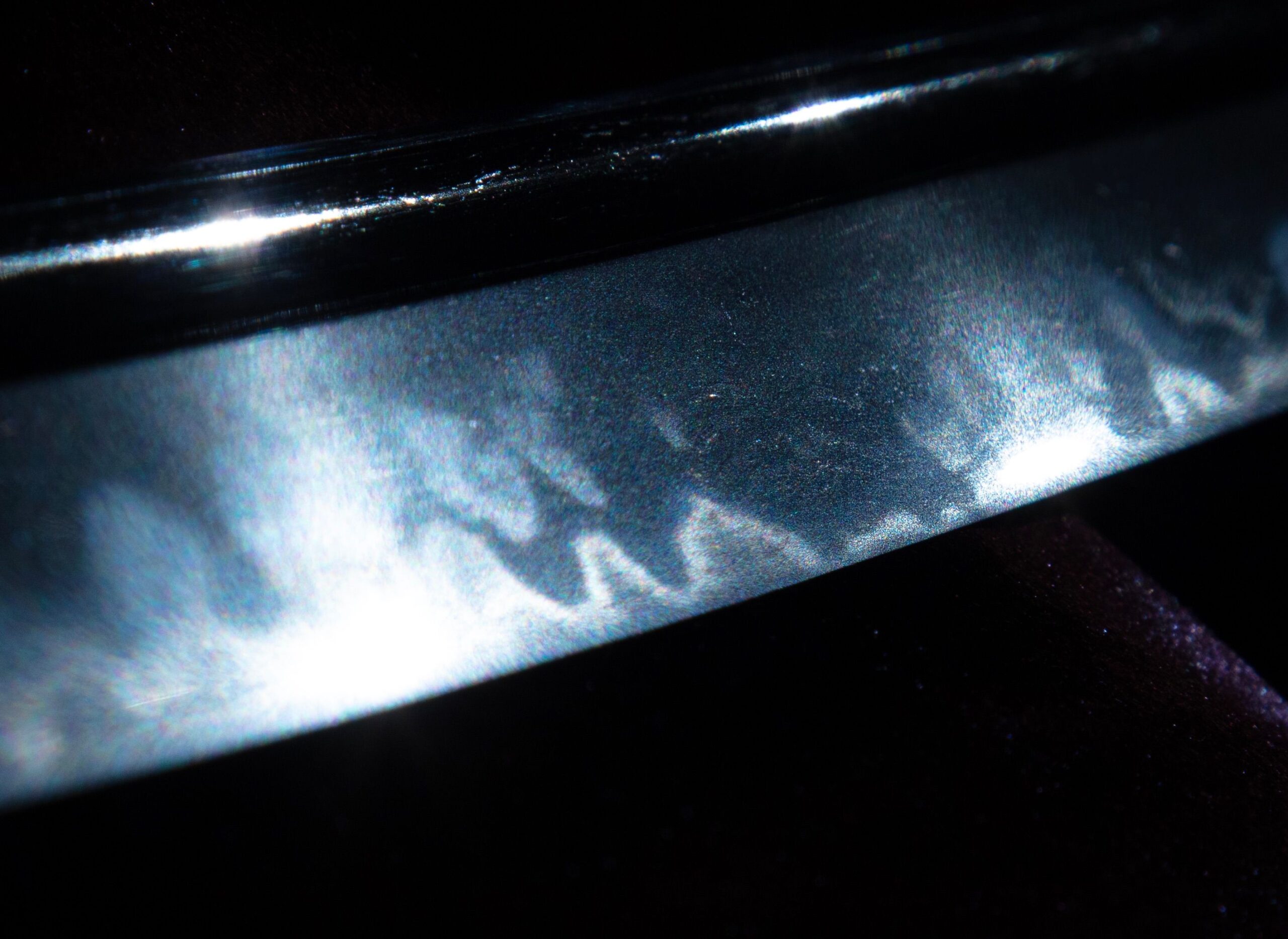
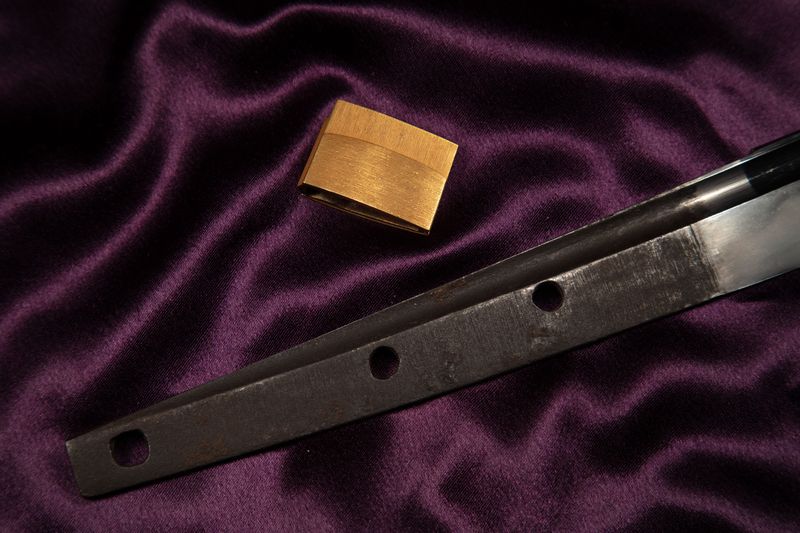
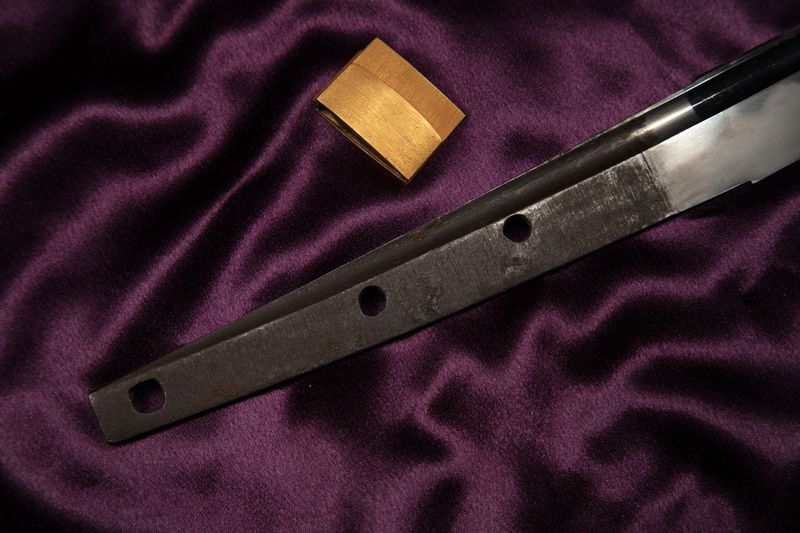
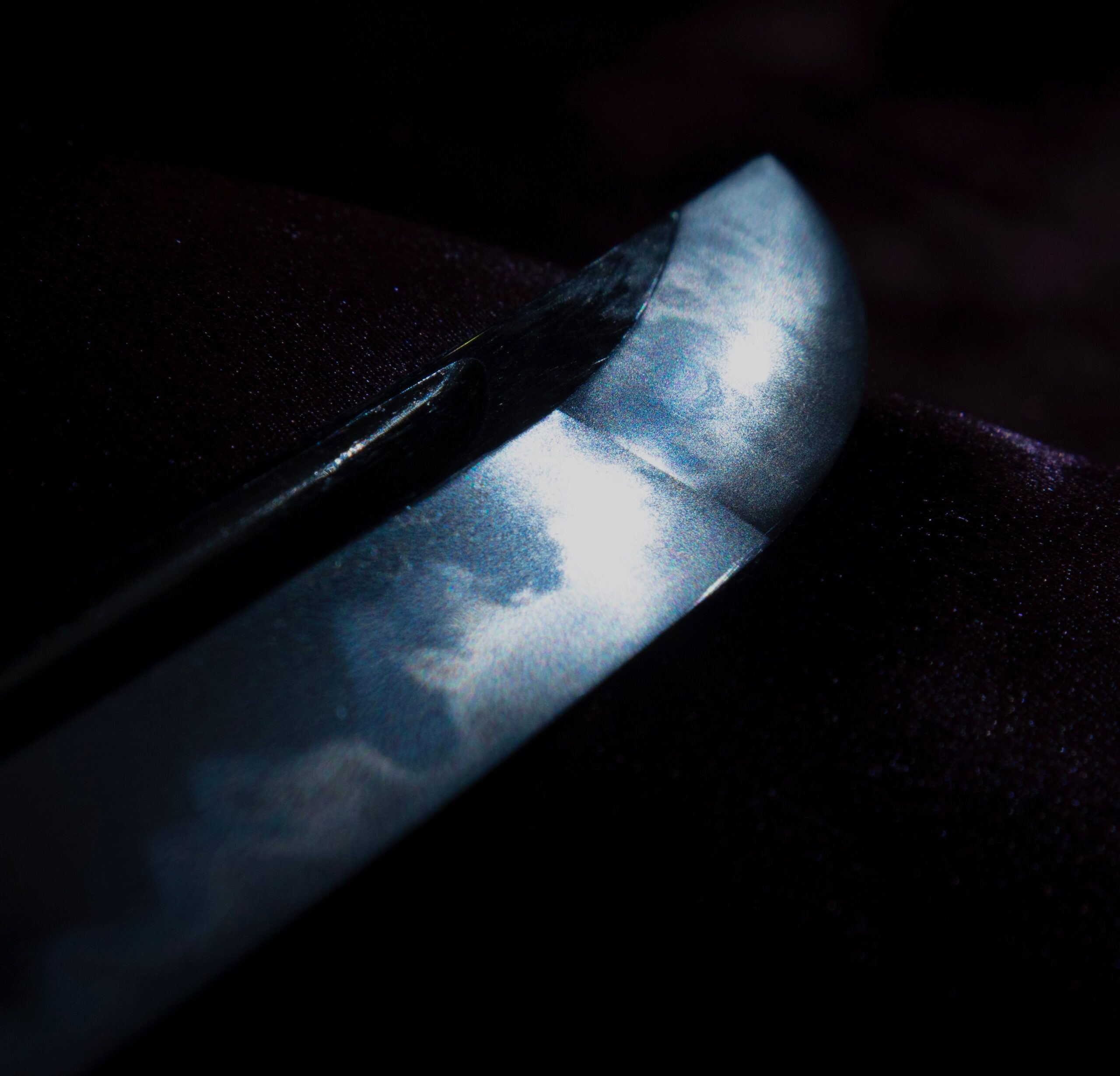
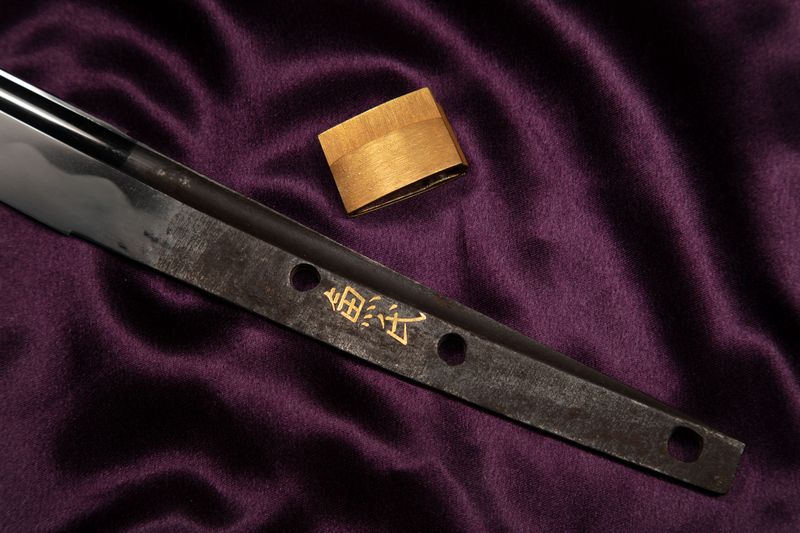
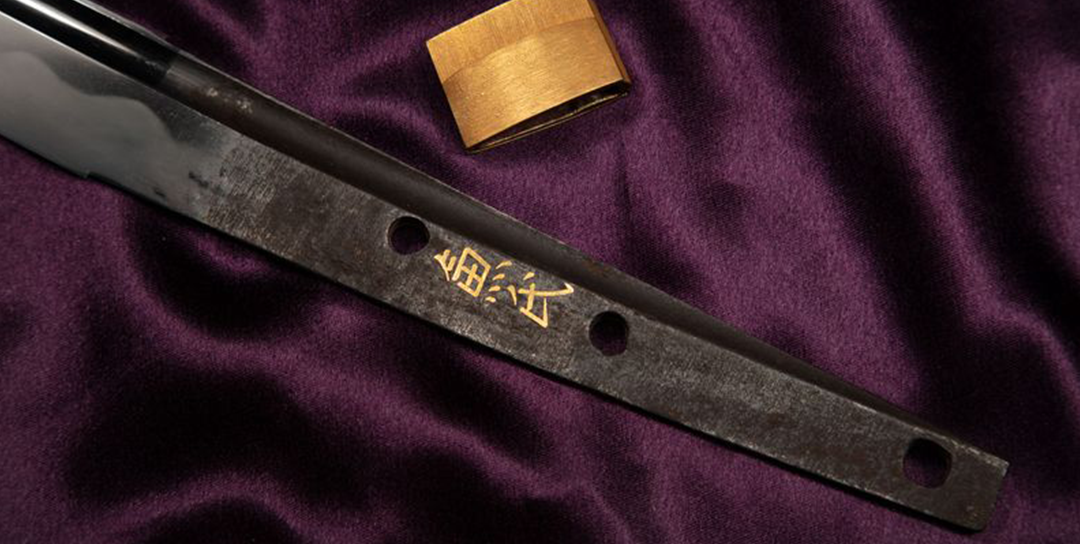
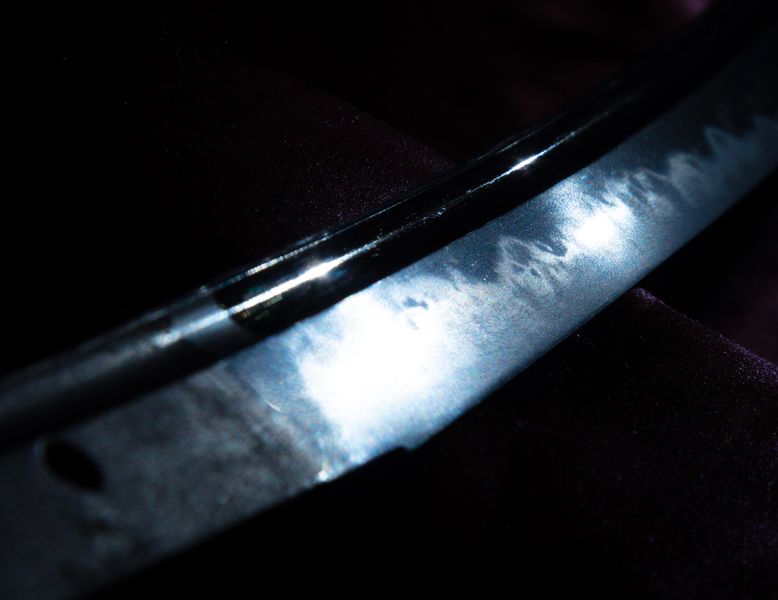
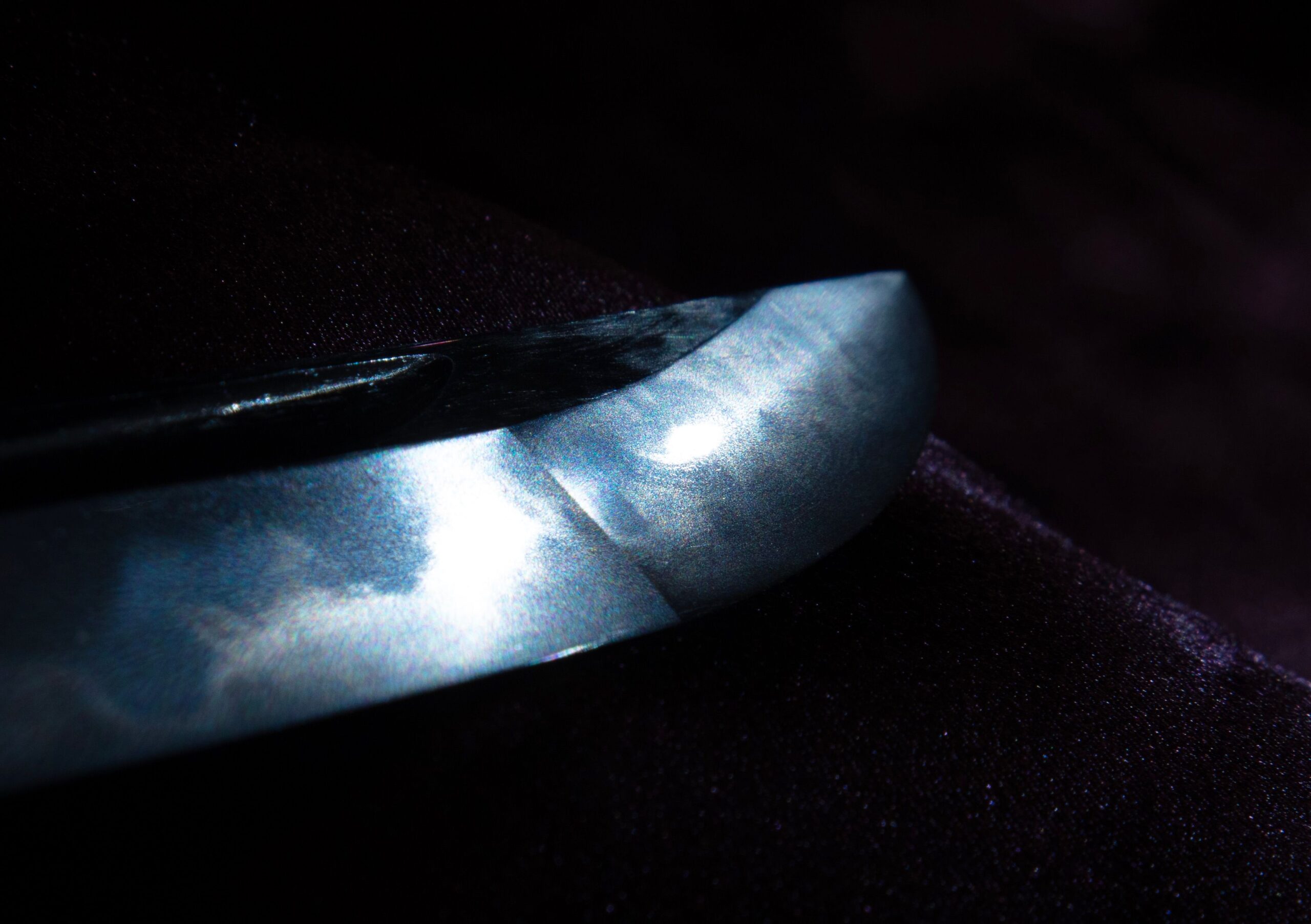
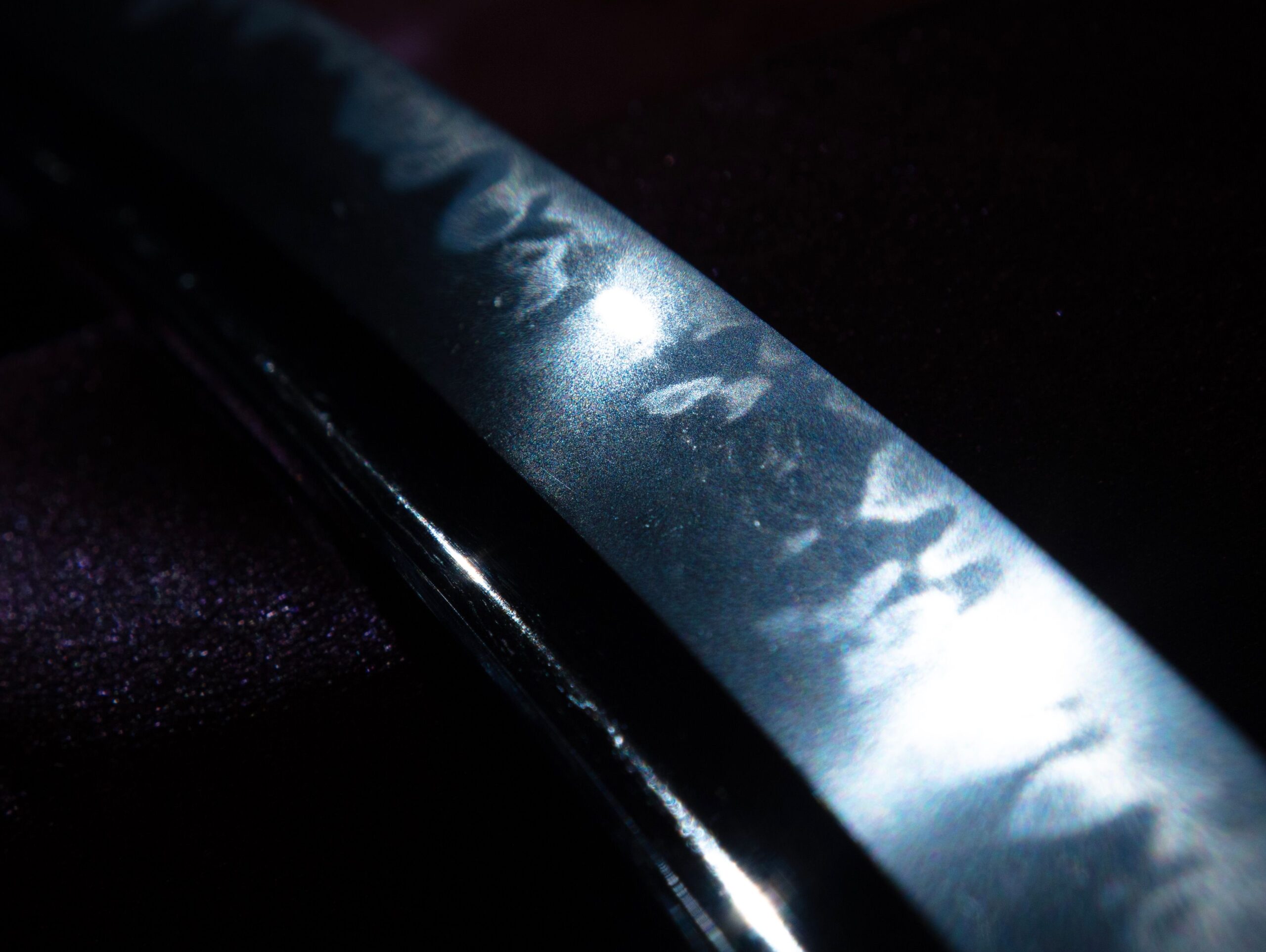
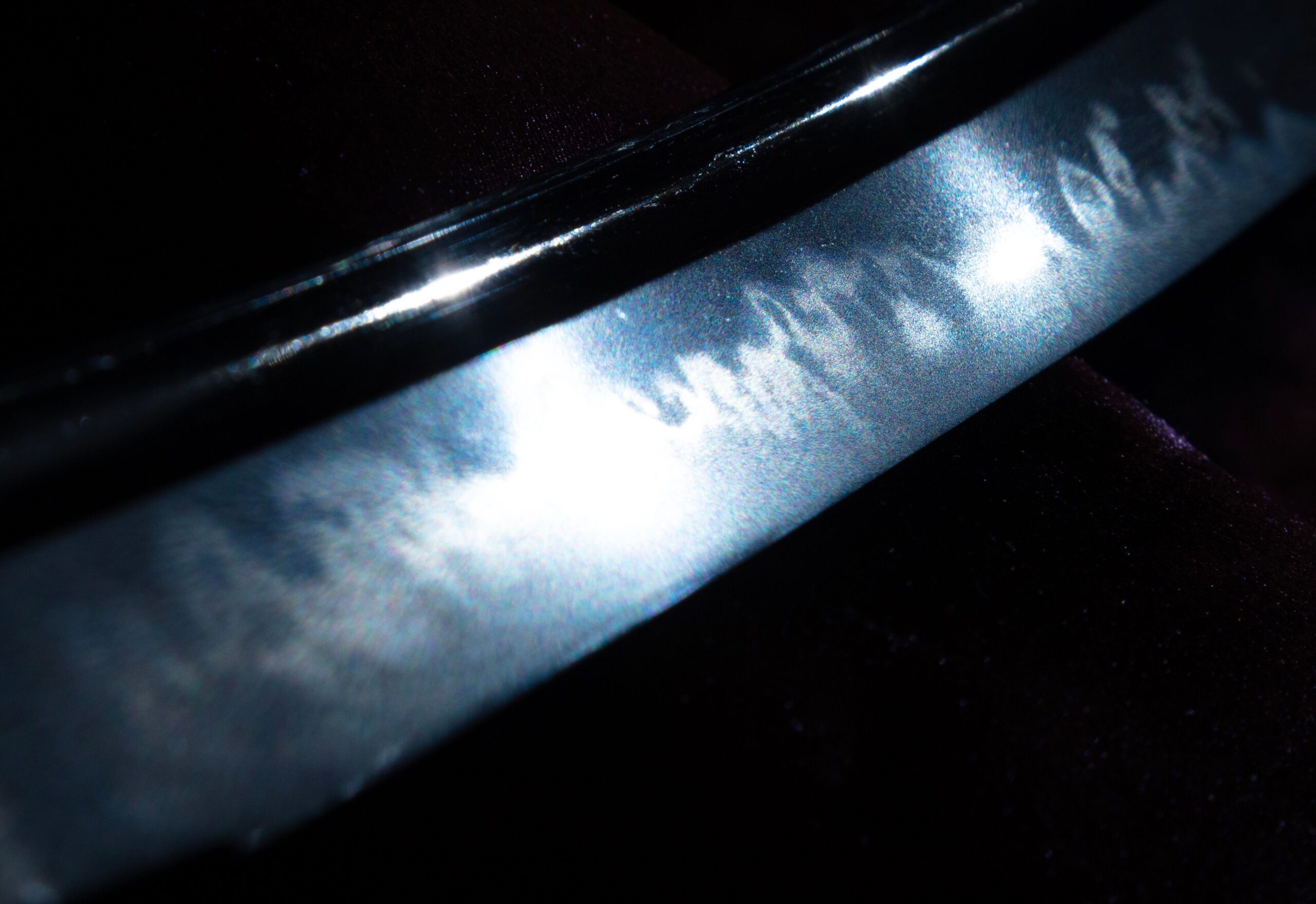
This blade is ō-suriage, and its tang bears a gold-inlaid two-character attribution to said smith Kaneuji. The blade is with its wide mihaba and ō-kissaki of a powerful shape, its forging structure features chikei and plenty of ji-nie, and the hamon is a vivid midare mix composed of gunome, some chōji, and togariba. The base and the bōshi in particular are widely hardened, and with the tobiyaki, yubashiri, sunagashi, and kinsuji, the overall nie-laden ha is rich in variety and fairly bold. In addition, this masterwork reminds us partially of the meibutsu Wakebe-Shizu, and thus I am in agreement with its period attribution.
Blade length ~ 71.6 cm, written by Tanzan [Tanobe Michihiro] in August of the year of the tiger of the Reiwa era (2022) + monogram.
第六⼗三回重要⼑剣指定
志津三郎兼⽒
⼤磨上ノ茎ニ同⼯極ハメ⼆字⾦象嵌銘有之幅廣・⼤鋒ノ剛健ナル形態⽽地沸厚ク地景⼊ル肌合ニ互乃⽬・丁⼦⼼・尖刃ヲ交ヘテ闊達ニ乱レル刃⽂ヲ焼キ腰元ト帽⼦ハ焼キ深ク⼤乱⾵トナリ地ニハ⾶焼・湯⾛モ加ハリ総ジテ盛ンニ沸付キ砂流・⾦筋カゝリ変化ニ富ミ放胆⾃在⽽部分的ニ⼀脈名物分部志津ヲ想ハセルナド同⼯鑒ハ⾸肯サレル優品也
刃⻑弐尺参⼨六分半有之峕令和壬寅秊葉⽉探⼭識「花押」
Dai rokujūsan-kai Jūyō-Tōken shitei
Shizu Saburō Kaneuji
Ō-suriage no nakago ni dōkō kiwame niji kinzōgan-mei kore ari. Haba-hiro, ō-kissaki no gōken-naru keitai shikamo ji-nie atsuku chikei hairu hada-ai ni gunome, chōji-gokoro, togariba o majiete kattatsu ni midareru hamon o yaki koshimoto to bōshi wa yaki fukaku ō-midare-fū to nari ji ni wa tobiyaki, yubashiri kuwawari sōjite sakan ni nie-tsuki sunagashi, kinsuji kakari henka ni tomi hōtan jizai shikamo bubun-teki ni ichimyaku meibutsu Wakebe-Shizu o omowaseru nado dōkō kan wa shukō-sareru yūhin nari. Hachō ni-shaku san-sun roku-bu han kore ari, toki ni Reiwa mizunoe-toradoshi hazuki
Tanzan shirusu + kaō
Jūyō-Tōken, 63rd Session — Designated November 17, 2017
Katana, kinzogan-mei: Kaneuji (兼氏)
Setsumei by Sasahara Toshikazu (笹原俊和)
Measurements
Nagasa 71.6 cm, sori 1.6 cm, motohaba 3.4 cm, sakihaba 2.75 cm, kissaki-nagasa 8.2 cm, nakago-nagasa 19.2 cm, nakago-sori 0.2 cm
Description
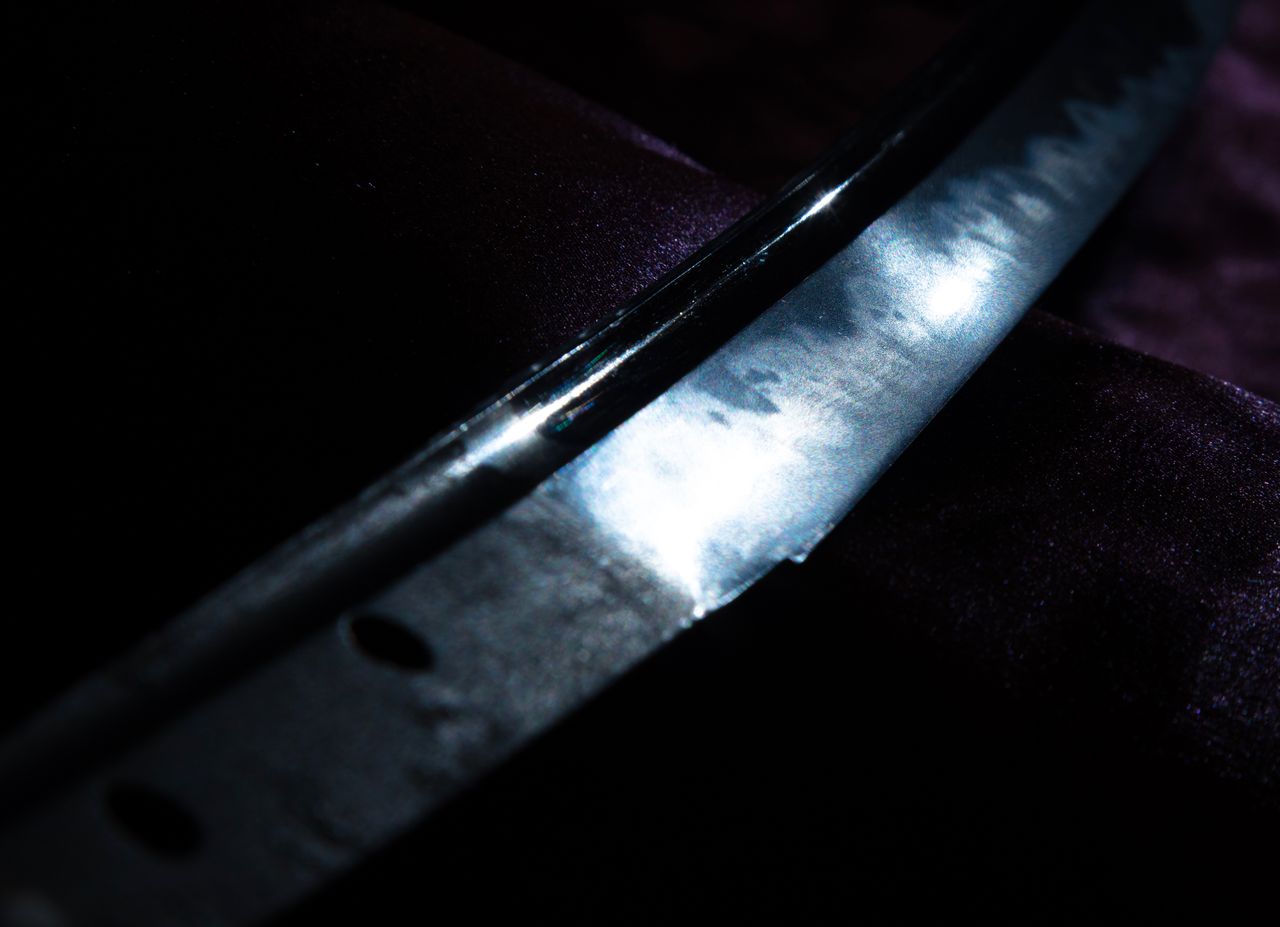
Keijō: shinogi-zukuri, mitsu-mune; the mihaba is notably wide, with little difference between base and tip width; somewhat thin kasane; rather deep sori; ō-kissaki.
Kitae: itame-hada mixed with mokume; toward the edge, nagare-hada enters; ji-nie adheres densely in fine particles and rather thickly, with fine chikei.
Hamon: gunome mixed with chōji, togariba, and angular (kakubaru) elements; the koshimoto is tempered high; with ashi and yō; nie is thick, with kinsuji; sunagashi runs long overall; tobiyaki is interspersed here and there; the nioiguchi is bright and clear.
Bōshi: midare-komi, with nie-kuzure; hakikake and tending toward an ichimai-like appearance; the kaeri is long and is carried down (yakisage) to a marked extent.
Horimono: On both sides, bō-hi carved kaki-nagashi.
Nakago: ō-suriage; tip cut off (saki-kiri); yasurime extremely shallow katte-sagari; three mekugi-ana; on the sashi-omote, centered below the first mekugi-ana, there is a connoisseur’s attribution in gold inlay (kiwame no kinzogan) reading “Kaneuji.”
Artisan
Kaneuji (兼氏), Shizu
Era
Late Kamakura period to Nanbokuchō period
Explanation
Kaneuji was a swordsmith of the Yamato Tegai lineage. It is said that he first used the name Kanenji (包氏), and later moved to Mino Province where he changed his name to Kaneuji (兼氏). He is known by the name Shizu Saburō, taking “Shizu” from the place-name.
Examples of his work are confirmed in both tachi and tantō. However, none bear a dated inscription. A date of Kōan 1 (1350) is found on a blade by Kanetsugu, who is transmitted as his student; from this, Kaneuji’s active period can be inferred as extending from the end of the Kamakura period into the Nanbokuchō period.
This katana presents an imposing and dignified taihai (overall bearing), with a notably wide mihaba and an ō-kissaki. Its hamon is richly varied, incorporating multiple forms of tempering with shifts in height, and the ji is frequently covered with tobiyaki, conveying a bold and unrestrained manner of workmanship. In addition, the bōshi is thoroughly tempered across its surface, full of force and exceptionally compelling to view. Moreover, both ji and ha are kenzen (sound and well-preserved), bright and clear, and show no breakdown in workmanship; accordingly, the gold-inlaid attribution to Kaneuji on this piece is fully persuasive.