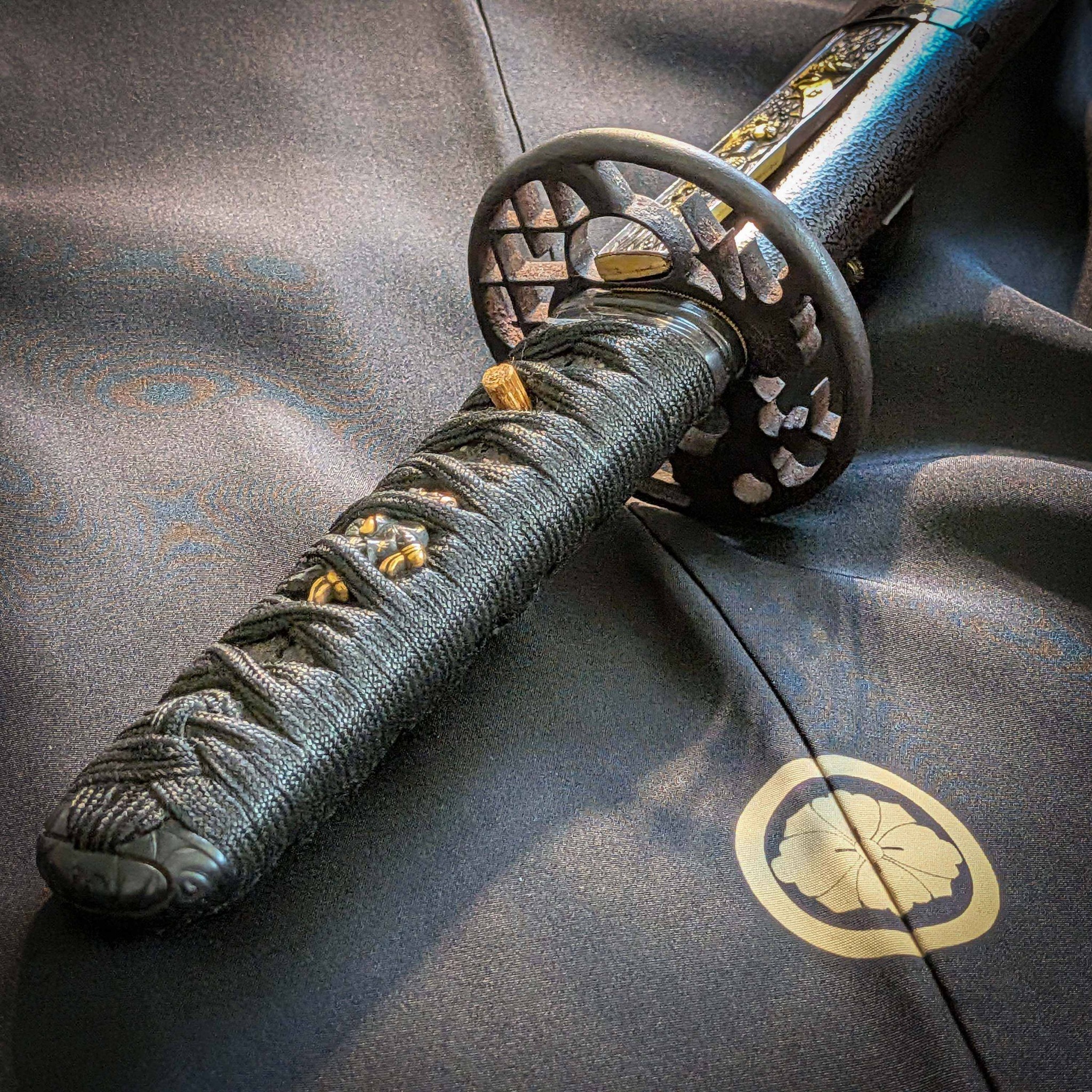
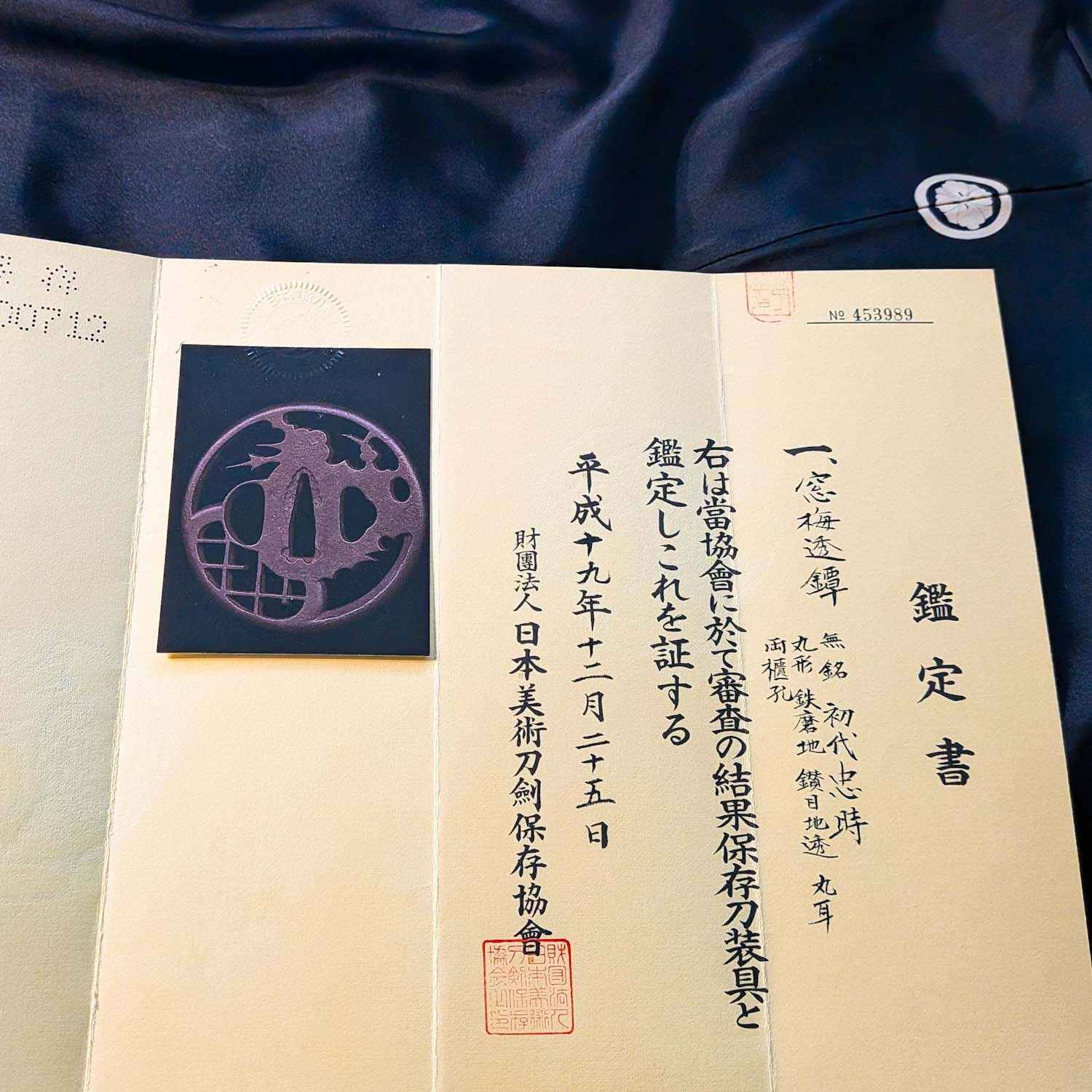
Project Description
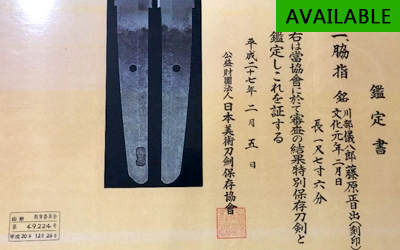
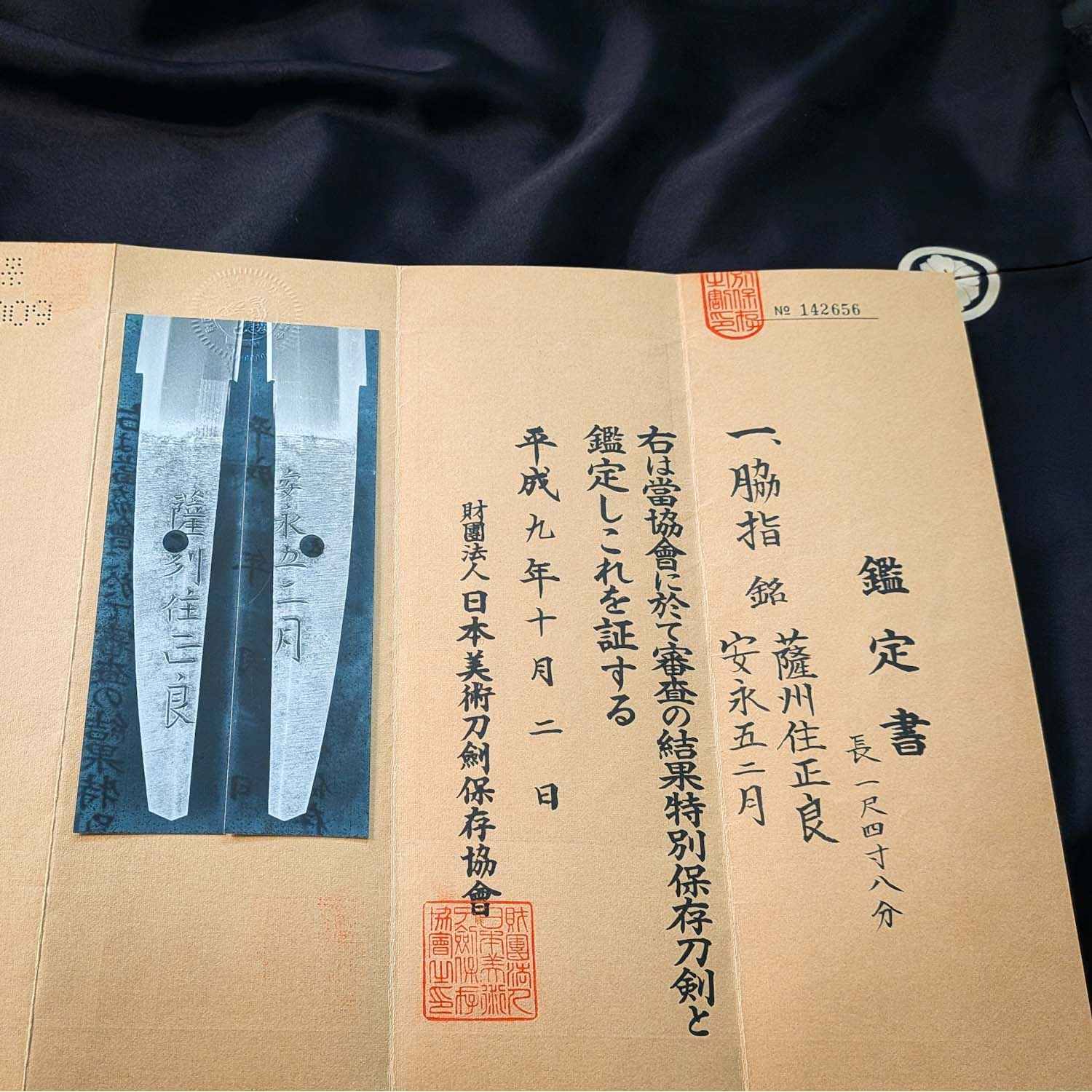
MASAYOSHI (正幸), Kansei (寛政, 1789-1801), Satsuma – “Sasshū-jū Masayoshi” (薩州住正良), “Hōki no Kami Taira Ason Masayoshi” (伯耆守平朝臣正幸), “Satsuma no Kuni Hōki no Kami Taira Ason Masayoshi” (薩摩国伯耆守平朝臣正幸), real name Ijichi Ji´emon (伊地知次右衛門), he also bore the first names Chūzō (仲蔵) and Heikaku (平覚), his smith name is in some sources also quoted as Masayuki, he signed in early years with Masahira (正平) and Suetsura (季陣) and was the son of the 2nd gen. Masayoshi (正良), he succeeded as 3rd gen. Masayoshi (正良) after the death of the 2nd gen. but with receiving the honorary title Hōki no Kami on the first day of the twelfth month Kansei one (寛政, 1789), he changed the character of “yoshi” and signed his name
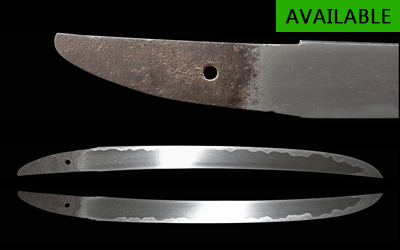
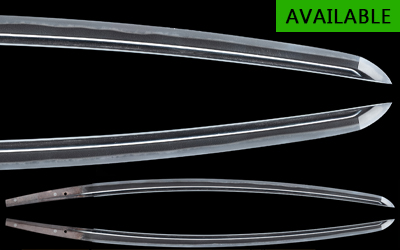
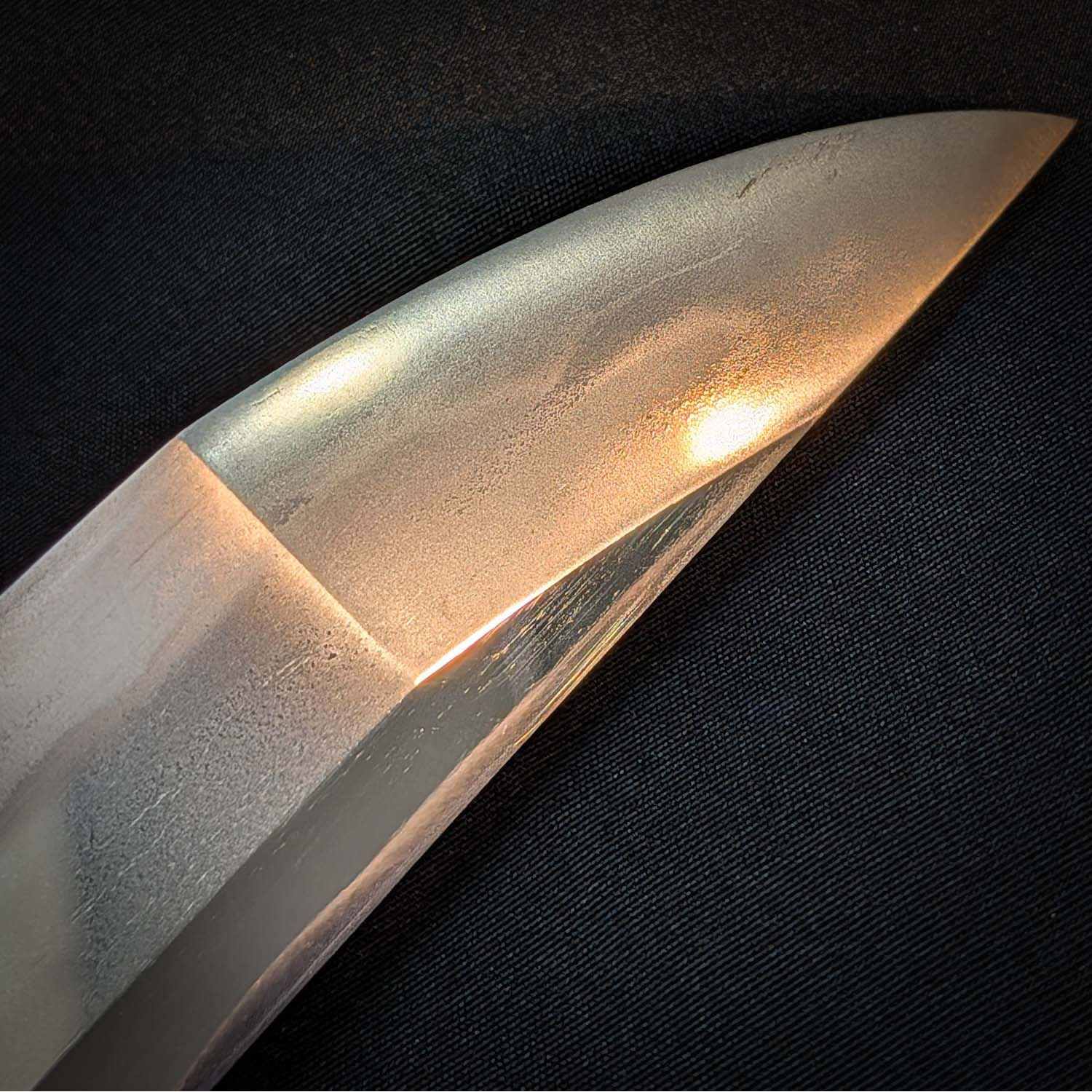
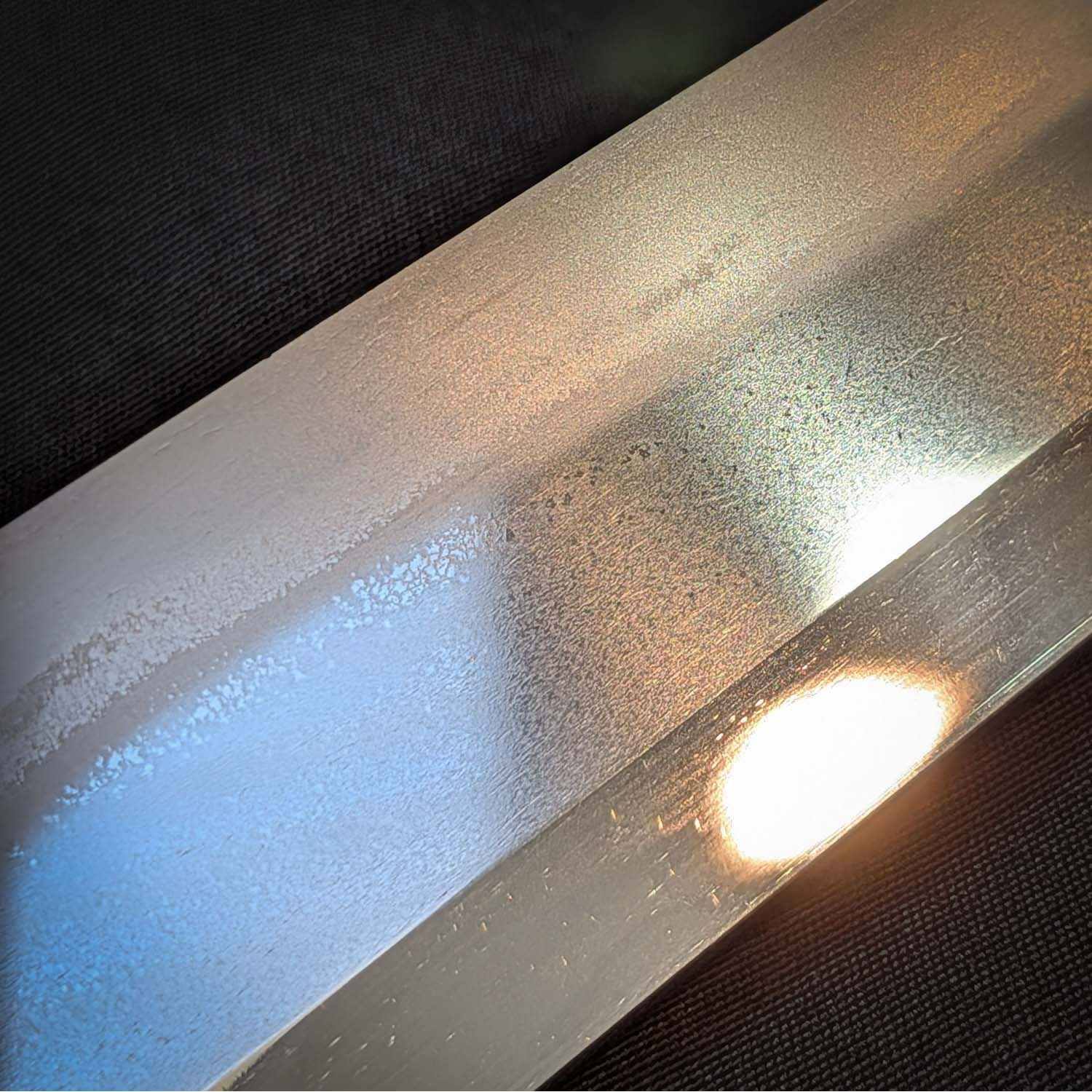
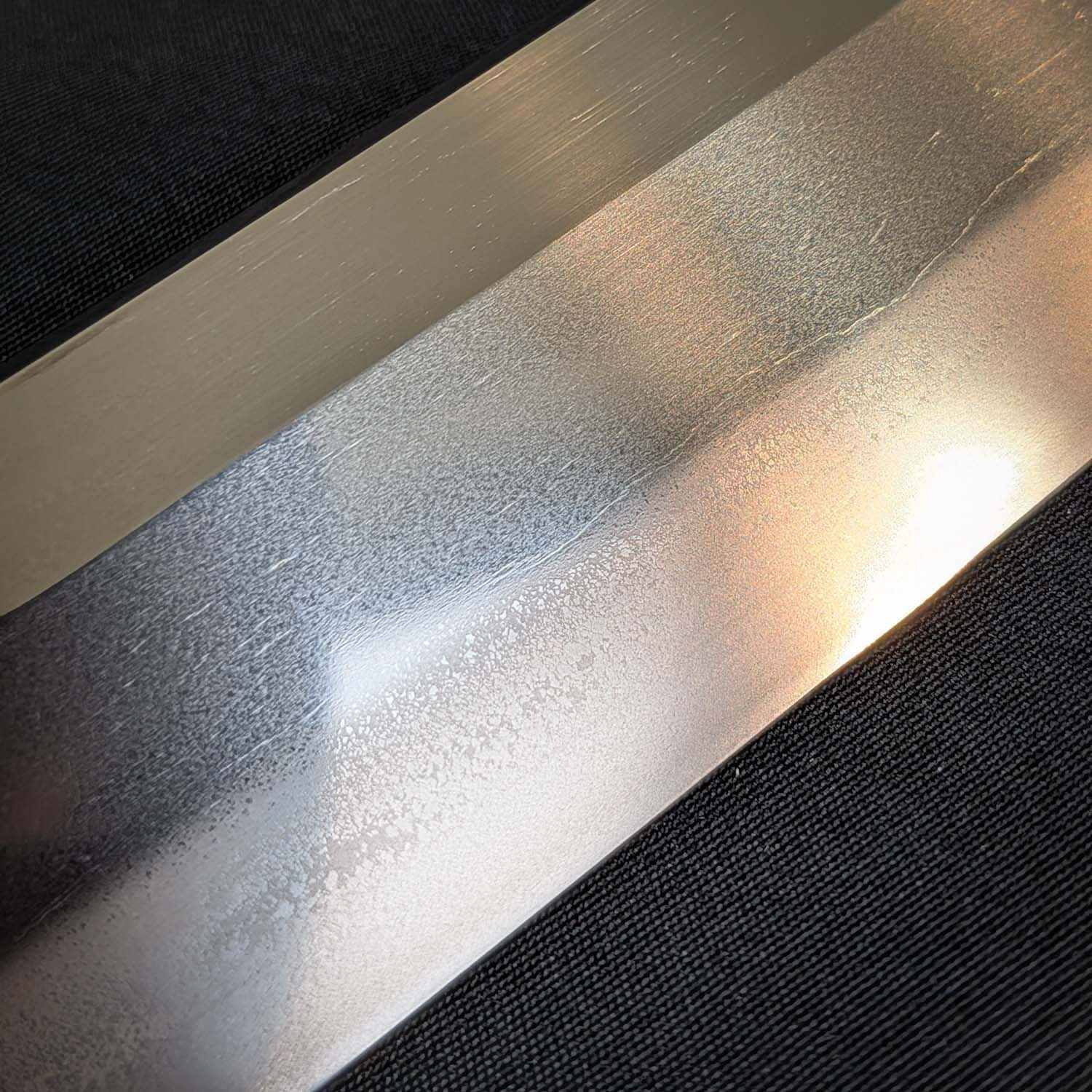
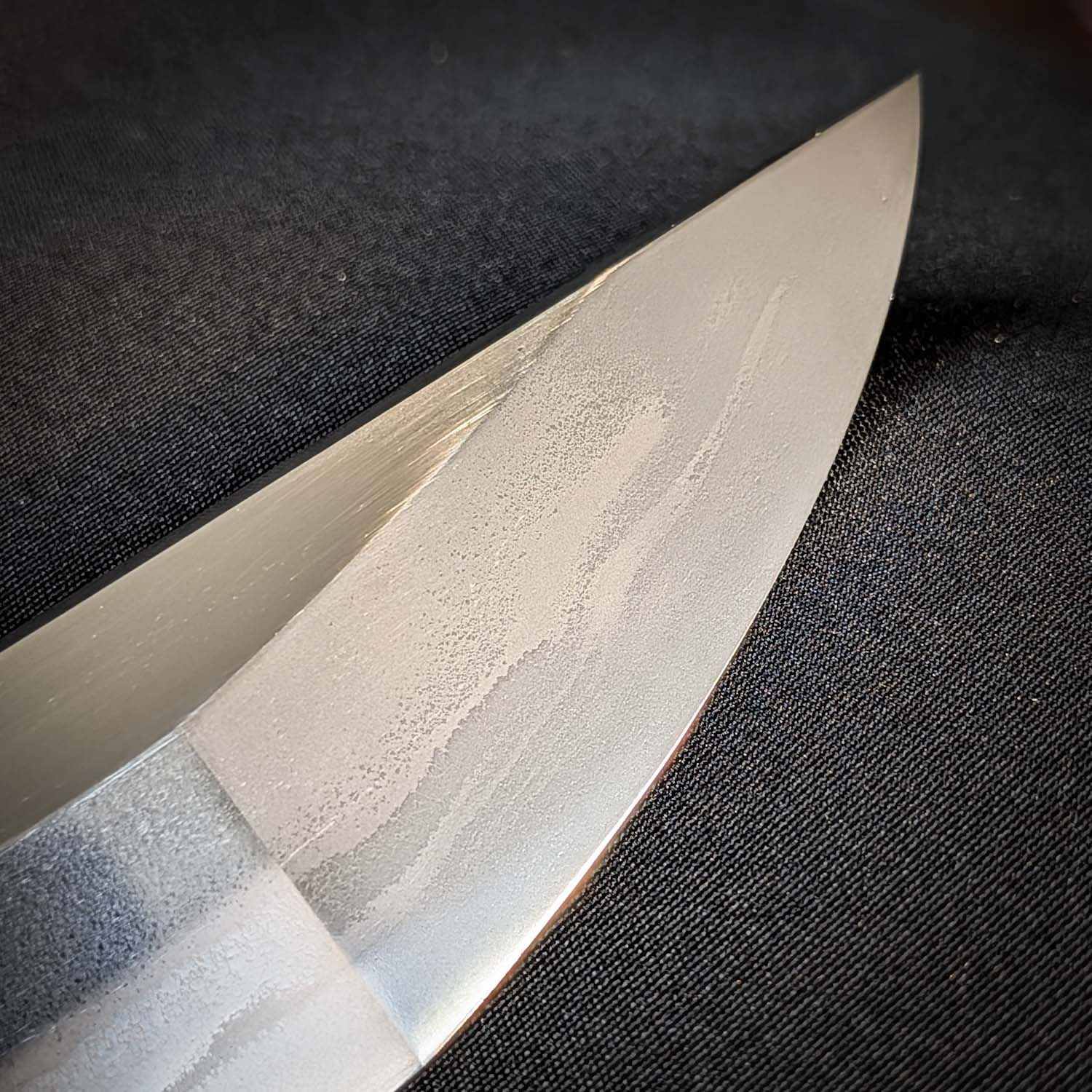
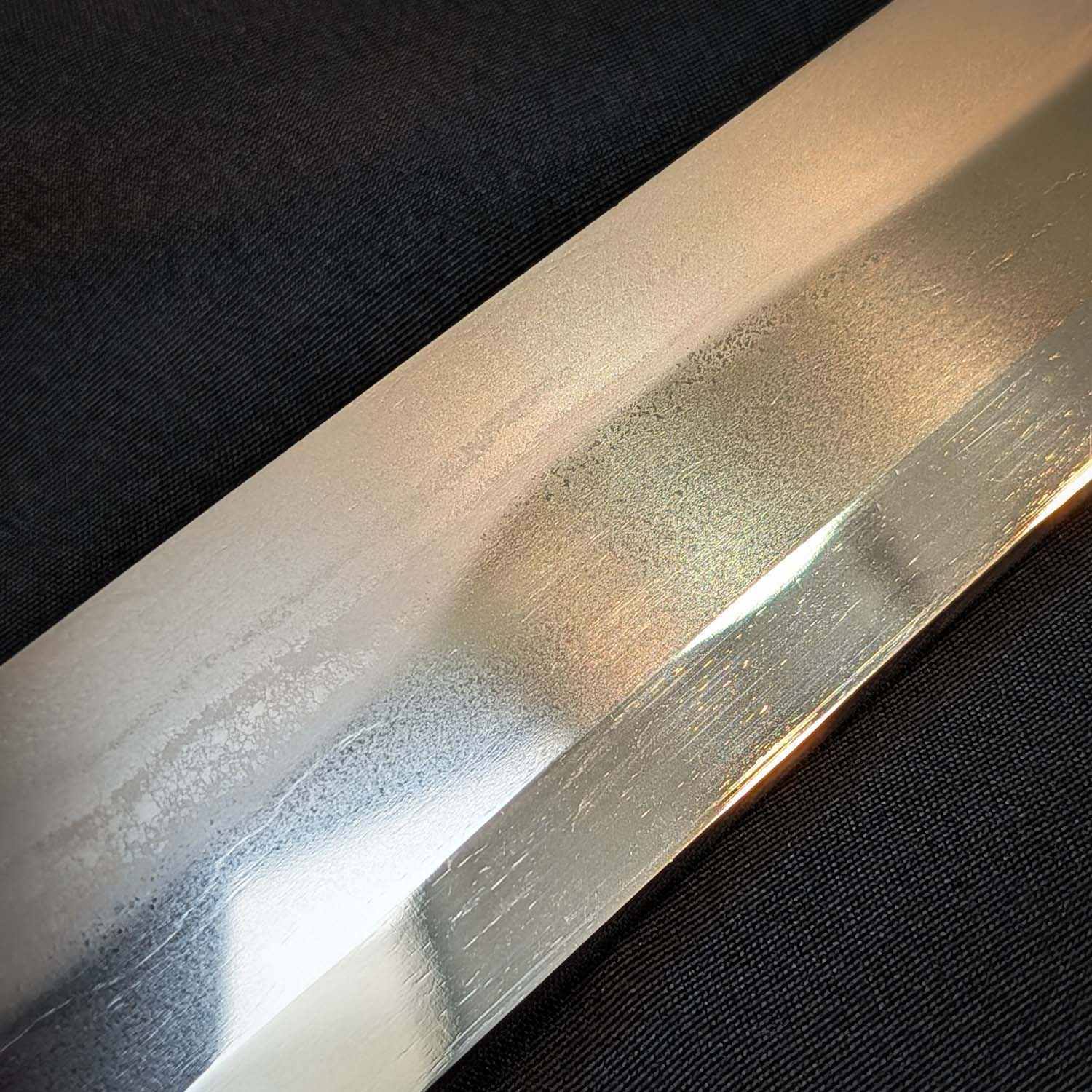
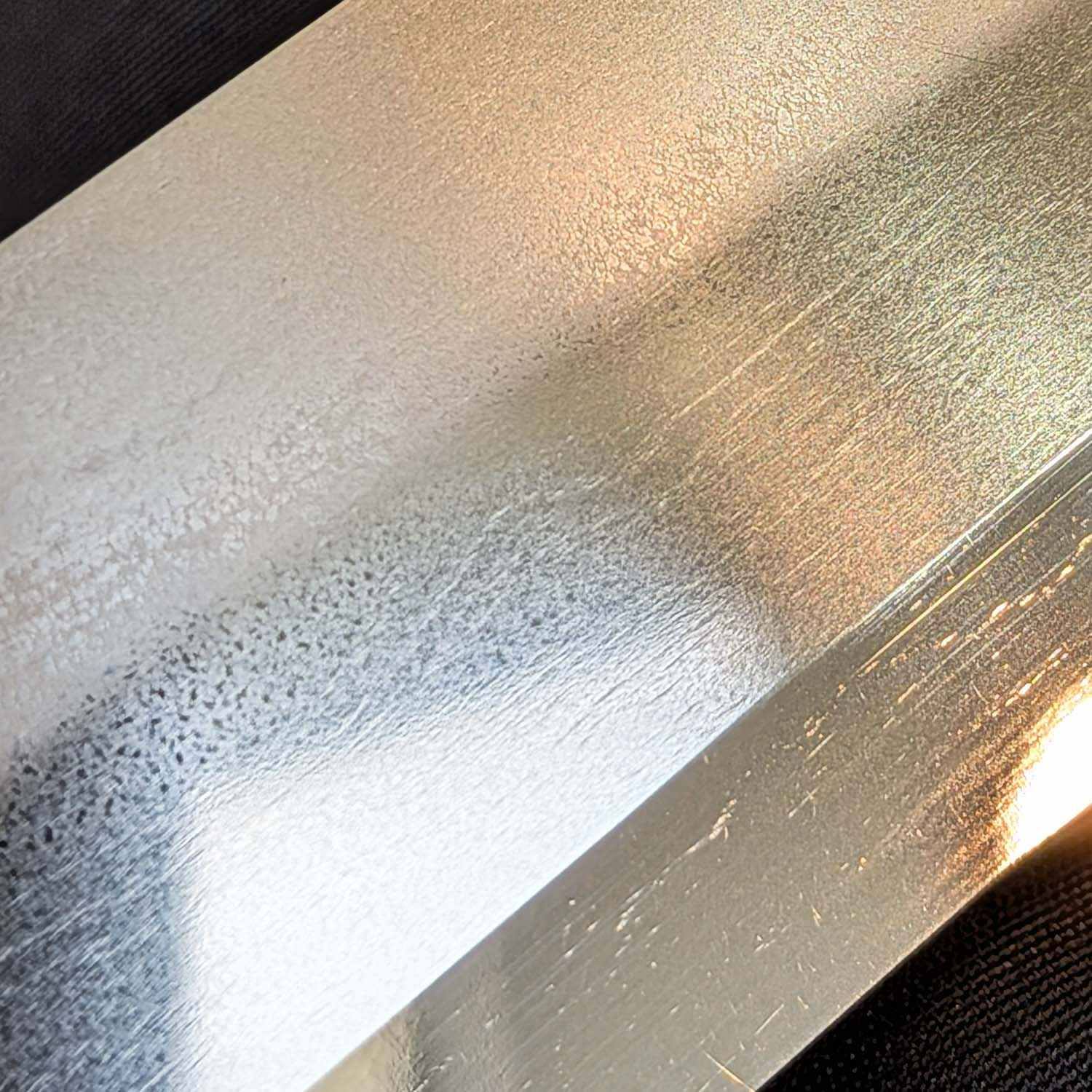
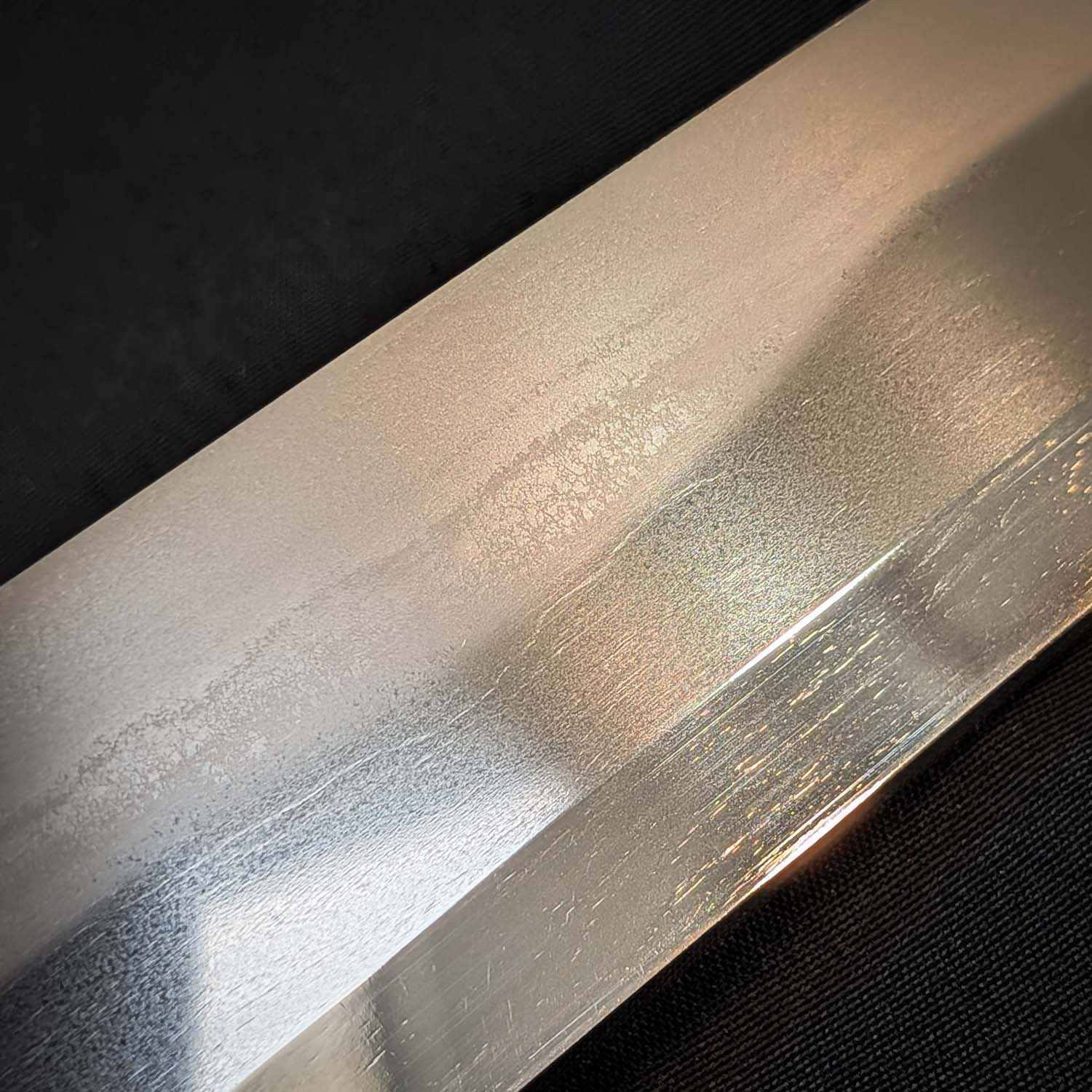
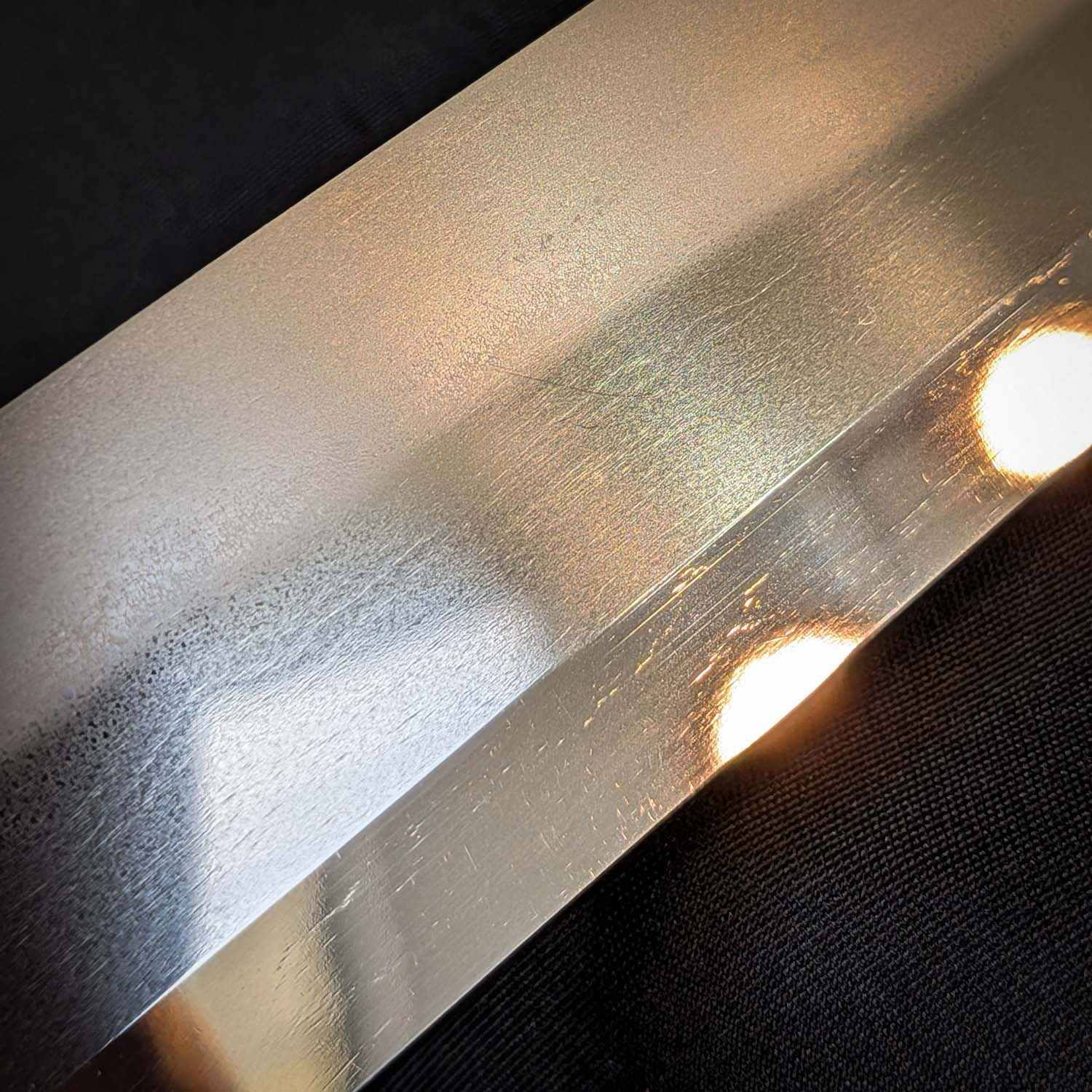
henceforth with “Masayoshi” (正幸), from the fifth year of Kansei (1793) onwards he signed with the supplement “Satsuma-kankō” (薩摩官工, about “official smith of the Satsuma fief”), he died on the 22nd day of the fourth month Bunka one (文政, 1818) at the age of 86, together with Motohira (元平) he is regareded as one of the best Satsuma smiths of the late Edo period, according to extant documents he trained more than 40 students, wide mihaba, dense kasane, plenty of hira-niku, shallow sori, that means altogether a magnificent and robust sugata, in early years he forged a neat itame mixed with masame, later an itame mixed with ō-hada, in any case with much ji-nie, the jihada is generally more discernible at Masayoshi than at Motohira, the hamon is a vivid notare-midare and gunome-midare with a wide yakihaba, in his early years he also applied a suguha-hotsure, the yakigashira show nie which make them look pointed, there are plenty of hataraki found like sunagashi, nijūba or imozuru, the bōshi is round and shows hakikake or nie-kuzure, often a bōhi with kaki-nagashi is cut, the tang has a bulbous cutting-edge side which tends to funagata and tapers to a narrow kengyō-jiri, the yasurime are kiri, jōjō-saku