

Project Info
Project Description
Mino (no) kuni Kinju
- Status: Reference
- Kanteisho: Juyo Token
Jūyō-tōken at 11th jūyō-shinsa
Kinjū from Mino Province
Blade length 30.6 cm
Written by Tanzan Hendō [Tanobe Michihiro] in March of the year of the monkey of this era (2016)
+ monogram
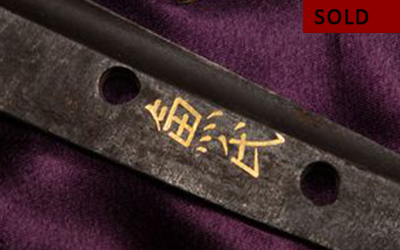
[This blade has an] ubu-nakago and is mumei. This smith moved from Echizen province to Mino and is regarded with Kaneuji as one of the Ten Students of Masamune and smith who laid the foundations of the Mino tradition. The interpretation of the deki, the uncommon horimono, the overall rustic approach, and the funagata-type nakago of this blade clearly reflect the characteristics of this smith and we have here a very tasteful masterwork.